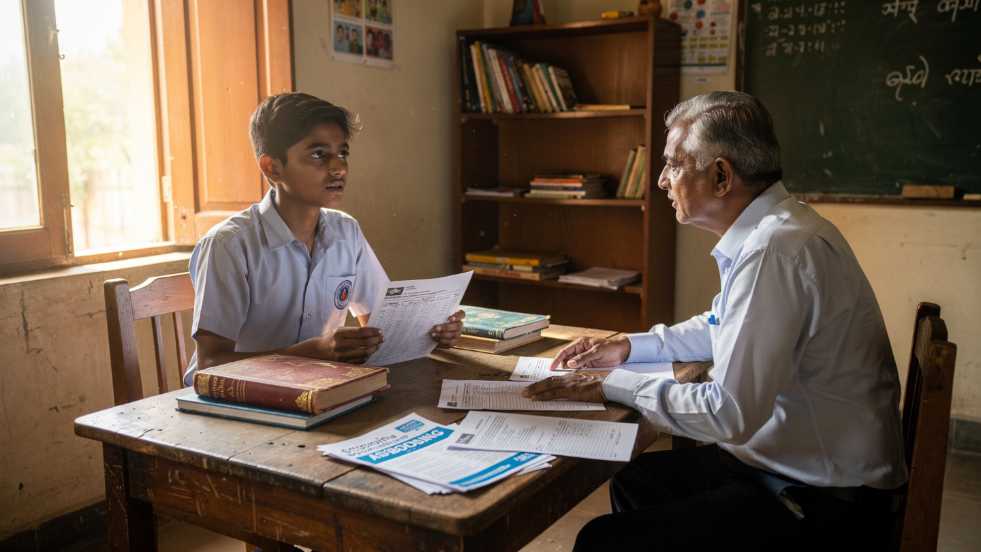
Failing in Higher Secondary is one of the most emotionally difficult experiences for many students. In a society where academic success is often linked to future opportunities, students who do not pass their HS examinations may feel disappointed, confused, and uncertain about what comes next. However, failing in Higher Secondary does not mean the end of education or career opportunities. In reality, many successful students have faced academic setbacks before rebuilding their future through the right guidance and decisions. The most important thing after failure is to remain calm, understand the available options, and take the next step with confidence.
Every year after Higher Secondary results are published, thousands of students across West Bengal and India search for solutions because they are unsure how to continue their studies. Some students lose confidence due to family pressure or social judgment, while others simply do not know that alternative educational pathways exist. The truth is that modern education systems now provide multiple opportunities for students to restart and continue their academic journey without losing years of progress.
One of the most effective solutions after HS failure is open schooling. Open schooling systems such as NIOS, WBROS, and BOSSE allow students to continue their education through flexible learning methods. These boards are especially beneficial for students who need a less pressured and more adaptable study environment. Instead of forcing students into rigid classroom structures, open schooling gives them the opportunity to study at their own pace and appear for examinations when they feel prepared. This flexibility significantly improves confidence and performance for many learners.
NIOS, or the National Institute of Open Schooling, is one of the most recognized open boards in India. It provides students with the chance to complete their Higher Secondary education through flexible subject choices and a student-friendly examination system. Students who struggled in traditional schooling often find NIOS more comfortable because it reduces academic pressure and allows personalized preparation strategies. Since NIOS is recognized nationally, students can continue higher education or apply for jobs after passing.
WBROS, which operates within West Bengal, is another important option for students who want to continue their studies after HS failure. It provides a structured but flexible learning system that is suitable for students who are more comfortable with state-based educational environments. Similarly, BOSSE offers open schooling with a combination of academic and skill-focused learning, making it suitable for students who want career-oriented education alongside their studies.
Another important thing students must understand is that failure in one examination does not define their intelligence or future. Academic performance can be affected by many factors such as stress, health issues, family situations, lack of guidance, or personal challenges. Many students who fail once perform exceptionally well later when given proper support and a better learning environment. What matters most is the willingness to continue and not give up.
After HS failure, students should avoid making emotional decisions or isolating themselves. Instead, they should focus on exploring practical solutions and planning their next steps carefully. Talking to experienced education counsellors can make a huge difference because proper guidance helps students understand which board, course, or study path is most suitable for their situation. This prevents confusion and helps students move forward with clarity.
Another major concern for students after failure is whether they can still build successful careers. The answer is absolutely yes. Once students complete their Higher Secondary through recognized open schooling boards, they can pursue graduation courses such as BA, BSc, BCom, professional courses, or vocational training programs. Their future opportunities remain open. In many cases, students who restart through open schooling become more disciplined and focused because they understand the value of education more deeply after facing setbacks.
The emotional recovery process is equally important. Students should remember that failure is temporary, but giving up can create long-term regret. Parents and guardians also play a crucial role during this phase. Instead of creating additional pressure, supportive communication and encouragement can help students regain confidence and motivation. A positive environment often becomes the turning point that helps students rebuild their academic journey successfully.
In today’s education system, there are more second-chance opportunities than ever before. Open schooling, flexible learning, distance education, and career-oriented programs have made it possible for students to continue their studies without being permanently affected by one exam result. What students need most is accurate information, proper guidance, and belief in their ability to improve.
S.K. Bright Institute, located in Mothabari, Malda, has been helping students who faced setbacks in Madhyamik and Higher Secondary examinations restart their academic journey through proper counselling and admission guidance. With support for open schooling boards like NIOS, WBROS, and BOSSE, along with flexible learning options, the institute has guided more than 8500 students toward continuing their education and building stable futures.
Higher Secondary failure may feel painful in the present moment, but it is not the end of the road. With the right decisions, support system, and determination, students can recover from this setback and move toward a brighter future. Education is not about never failing; it is about learning how to rise again and continue forward with stronger confidence and clearer goals.
DISCLAIMER
"S.K. Bright Institute operates as an independent education consultancy and admission guidance center. It provides guidance and support for admissions into various recognized boards and universities. The institute itself is not a university or board but assists students in the admission and career planning process."