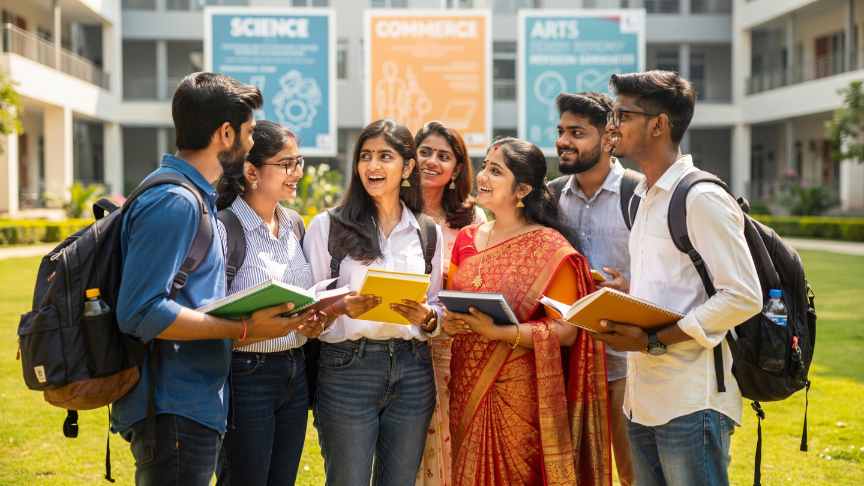
Completing Higher Secondary is one of the biggest milestones in a student’s academic life. Once the results are published, the next challenge begins with choosing the right course and career path. For many students, this phase becomes confusing because there are now more educational options than ever before. Some students already know which direction they want to take, while others feel uncertain about which course will provide the best future opportunities. In 2026, students have access to a wide range of degree programs, professional courses, and skill-based education paths that can help them build stable and successful careers.
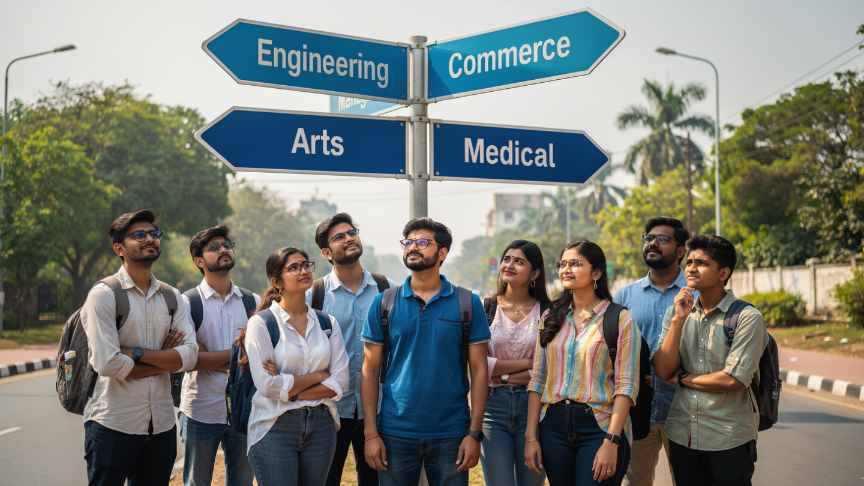
One of the most important things students should understand after Higher Secondary is that choosing a course should not depend only on trends or social pressure. The best course is always the one that matches a student’s interests, strengths, and long-term goals. Every stream, whether Arts, Science, or Commerce, offers excellent career opportunities when approached with proper planning and dedication. Students who choose courses based on their genuine interests often perform better academically and professionally in the future.
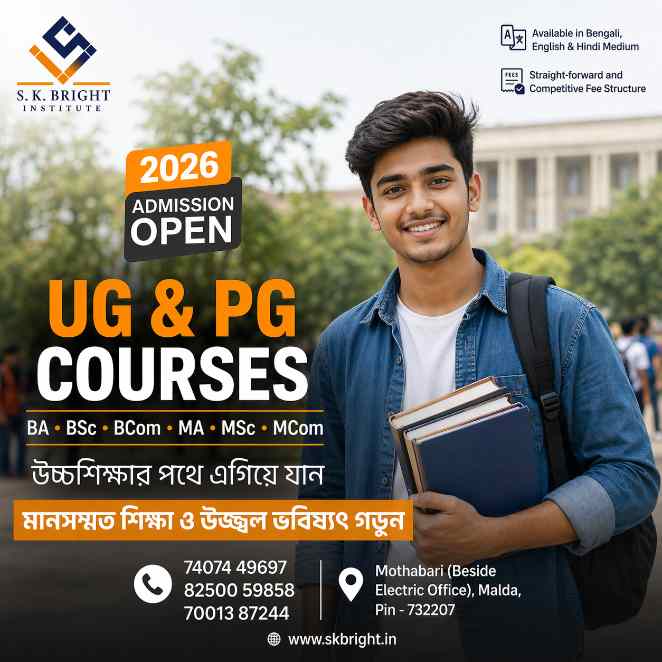
For Arts students, there are multiple career-oriented degree options available today. Courses such as BA in English, History, Political Science, Sociology, and Psychology continue to be popular because they provide flexibility and diverse career opportunities. Students can prepare for government jobs, civil services, teaching, journalism, content writing, public administration, and social work. Many students underestimate Arts education, but in reality, it remains one of the strongest pathways for competitive examinations and public sector careers in India.
Science students usually have access to technical and professional fields that are in high demand. Courses such as BSc, engineering, nursing, paramedical sciences, pharmacy, and computer science offer strong career growth opportunities. Students who are interested in healthcare and technology often choose science-based programs because these industries continue to expand rapidly. Fields like data science, information technology, biotechnology, and healthcare are expected to create significant employment opportunities in the coming years, making science education highly valuable.
Commerce students also have excellent opportunities after Higher Secondary. Courses like BCom, BBA, and management-related programs help students build careers in accounting, banking, finance, corporate management, and entrepreneurship. Professional programs such as CA, CS, and CMA are also highly respected and can lead to stable and high-paying careers. With India’s growing economy and business sector, commerce-related professions continue to remain in demand.
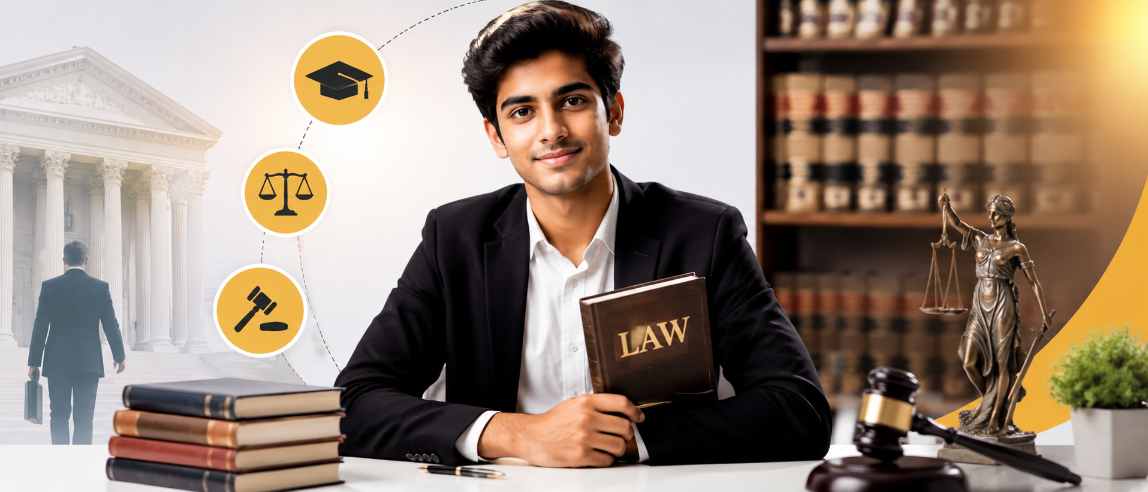
Apart from traditional degree courses, students today are increasingly exploring professional and career-focused programs. Courses in law, management, nursing, agriculture, and information technology have gained popularity because they provide practical knowledge along with direct career pathways. Many universities now focus on skill-based education that prepares students for real-world industries rather than only theoretical learning. This shift has made career-oriented courses more attractive for students who want employment-focused education.
Distance education and flexible learning options have also become important after Higher Secondary. Many students are unable to attend regular college due to financial limitations, work responsibilities, or personal situations. Universities like Mangalayatan University and Swami Vivekananda Subharti University offer flexible programs through regular and distance learning modes, allowing students to continue education without disrupting their daily responsibilities. This flexibility has made higher education more accessible to students from different backgrounds across India.
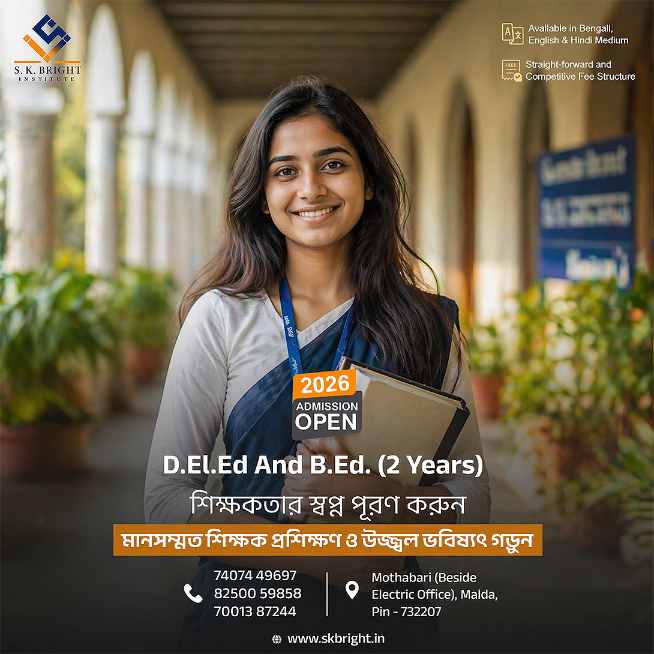
Another important factor students should consider while selecting a course is future career scope. Instead of choosing a course only because friends or relatives recommend it, students should think about where the course can lead in the next five to ten years. A course should provide opportunities for higher studies, skill development, or employment. Proper research and counselling can help students understand which industries are growing and which skills are likely to remain valuable in the future.
Students who are still confused after Higher Secondary should not rush their decision. Taking proper career guidance can prevent long-term mistakes and help students choose the right path with confidence. Educational counsellors can evaluate a student’s interests, strengths, and goals before recommending suitable courses. This structured approach often helps students feel more confident and motivated about their future.
Parents also play a very important role during this phase. Instead of forcing students into specific streams or professions, supportive discussions and encouragement can help students make better decisions. A student who chooses a course willingly is more likely to stay motivated and achieve success compared to someone who studies under pressure.
S.K. Bright Institute has been helping students after Higher Secondary choose the right academic and career pathways through structured counselling and admission guidance. The institute supports students in selecting degree programs, professional courses, and flexible education options that align with their goals and future ambitions. With experience in guiding more than 8500 students, it continues to provide support for admissions and career planning across multiple fields.
Higher Secondary is not the end of education but the beginning of a much larger journey. The course a student chooses after HS can shape future opportunities, career growth, and personal success. With proper understanding, planning, and guidance, students can confidently move forward and build a future that matches their aspirations and abilities.
DISCLAIMER
"S.K. Bright Institute operates as an independent education consultancy and admission guidance center. It provides guidance and support for admissions into various recognized boards and universities. The institute itself is not a university or board but assists students in the admission and career planning process."